Kentucky State and Louisville Grows will prepare adults for careers in landscaping, urban forestry, agriculture, and land management
LOUISVILLE, Ky. — A new paid training program will help adults develop practical skills, earn a professional credential, and connect directly with employers seeking workers in landscaping, urban forestry, agriculture, and related industries.
Kentucky State University received a $200,000 AgriProspects Workforce Development Network grant to establish the 12-week program in partnership with Louisville Grows. Kentucky State will serve as the lead institution, while Louisville Grows will coordinate much of the community-based training, recruitment, and employer engagement.
The project, “Strengthening the Agricultural Workforce: Adult Training in Sustainable Practices and Emerging Green Jobs,” was selected through AgriProspects’ credentialing track. It was one of five projects awarded a combined $1 million nationally.
Jody Thompson, Agriculture and Natural Resources program leader for Kentucky State’s Cooperative Extension Program, will serve as principal investigator. Dr. Suraj Upadhaya, assistant professor of sustainable systems, and Alethea Bernard, senior research associate with Cooperative Extension, will serve as co-principal investigators.
Unlike workforce programs focused primarily on career exposure, the Kentucky State initiative will emphasize applied skills, credential completion, and placement into entry-level positions.
“We knew from the beginning that a placement aspect was nonnegotiable,” Thompson said. “Initial conversations with local industry partners showed immediate support for that approach.”
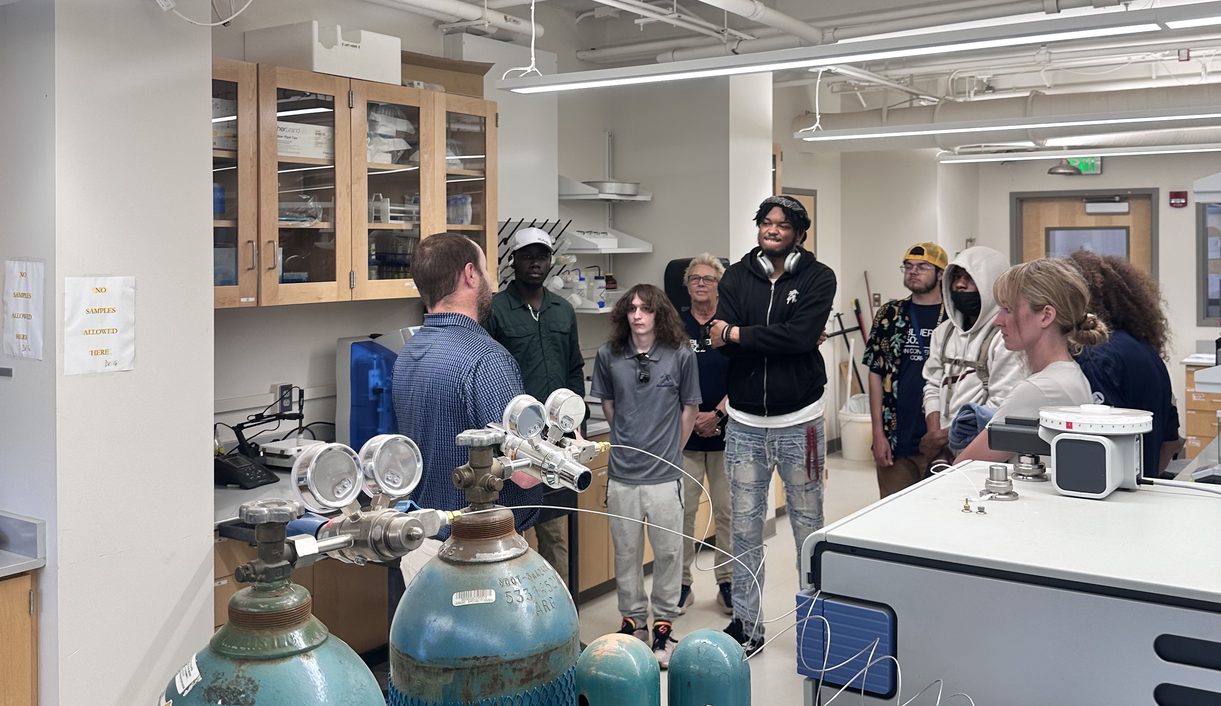
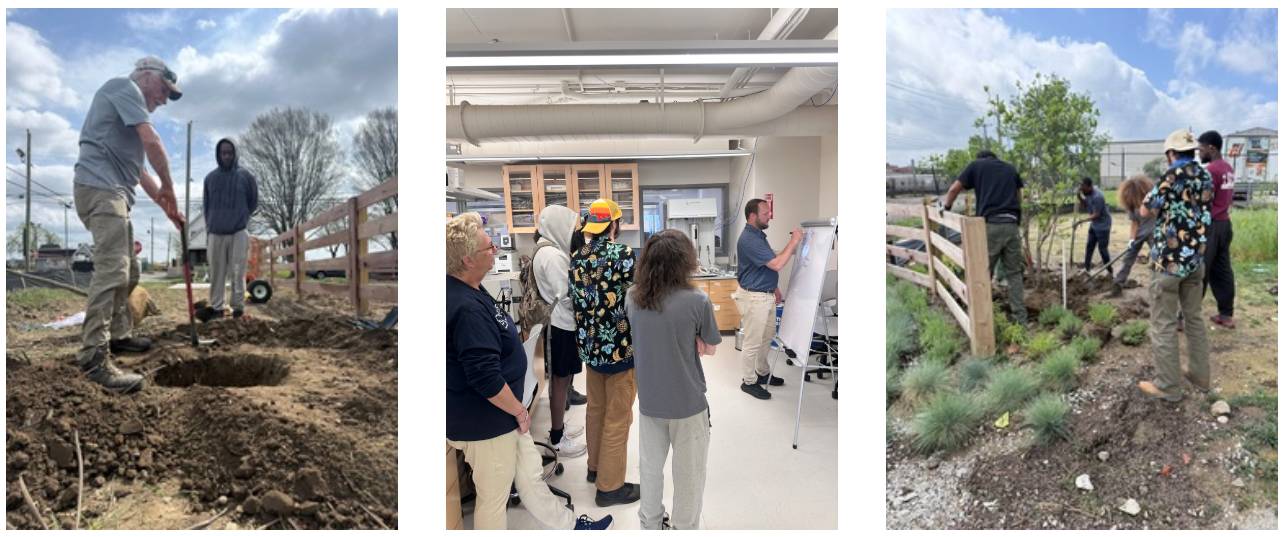
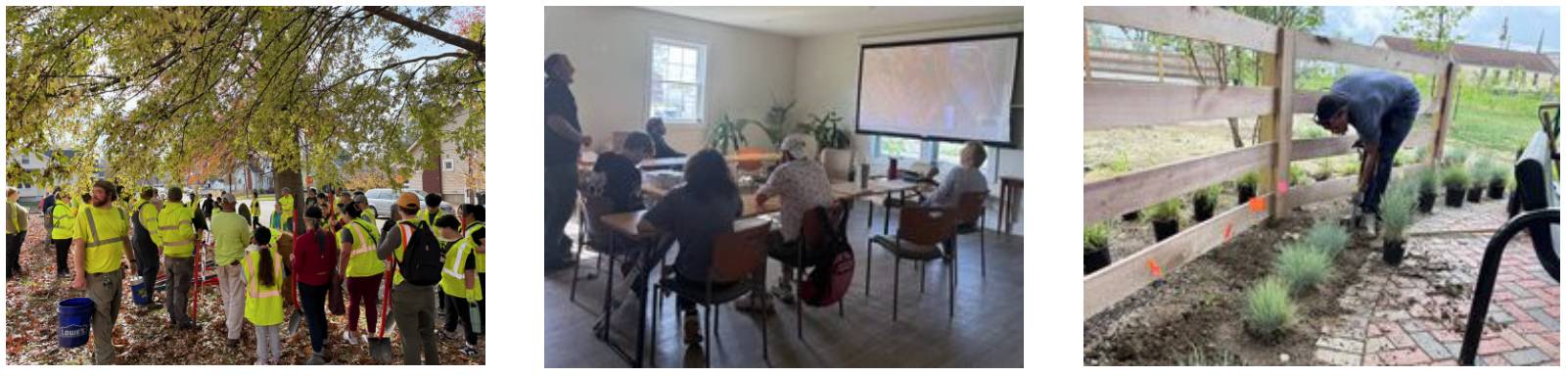
Participants are expected to attend training three days per week for 12 weeks. Most instruction will follow a learn-by-doing model, with trainees practicing skills in field settings and observing professionals at work.
Training will address landscape management, tree planting and care, urban and community forestry, orchard establishment, invasive species control, soil and tree health, land stewardship, and selected urban agriculture practices. Professional instruction will also cover workplace safety, communication, teamwork, and other skills employers expect from job-ready applicants.
Graduates will receive a certificate of completion documenting their participation and acquired competencies. Louisville Grows is working with businesses, municipal departments, nonprofit organizations, and other prospective employers to establish entry-level opportunities for program graduates.
“The goal is not simply to introduce participants to possible careers,” Thompson said. “We are building a program around practical training, employer expectations, and a clear pathway from instruction to employment.”
The initiative grew from conversations between Thompson and Louisville Grows Executive Director Christine Brinkmann. Louisville Grows approached Kentucky State with the initial concept before the AgriProspects funding opportunity became available.
Kentucky State had already begun exploring workforce initiatives related to landscaping,
urban agriculture, forestry, and natural-resource management. The organizations developed
the project together, creating a foundation for Dr. Upadhaya to prepare the successful
grant application.
The partners began a pilot training effort in early 2026 after an earlier funding
request was unsuccessful. Rather than postponing the work, Kentucky State and Louisville
Grows moved forward on a smaller scale to test the concept and identify improvements.
Dr. Alhagie Cham, senior Extension associate for urban horticultural production, developed the pilot curriculum, while Louisville Grows led the initial recruitment effort. Lessons from the pilot are now informing the revised curriculum, training schedule, and recruitment plan.
Thompson is developing the updated curriculum using material from the pilot and experience gained through his work with the landscaping and urban forestry industries. Before implementation, Louisville Grows will circulate the curriculum among industry representatives for review so that instruction reflects current entry-level job requirements.
Recruitment and outreach will concentrate in west Louisville when feasible, while serving adults seeking employment, stronger occupational skills, or a transition into a new career. Paid participation is expected to make the three-day-per-week schedule more accessible and support consistent attendance.
Kentucky State’s Agriculture and Natural Resources and Community Resource Development Extension teams will share responsibility for the program. Agriculture and Natural Resources personnel will lead much of the technical instruction, while Community Resource Development specialists will contribute workforce preparation, credentialing, communication, and related professional skills.
Dr. Cham will remain involved in project design and cohort training. Dr. Upadhaya will oversee evaluation and help assess industry workforce needs. Bernard helped organize the grant effort and will continue serving as a primary Kentucky State contact for Louisville Grows. Other Community Resource Development personnel, including Kelly Rawalt, are expected to support professional and workplace-skills instruction.
Louisville Grows will provide field-based instruction, coordinate training experiences with community partners, and help secure employer commitments.
Over the two-year grant period, the project team will track completion, skill development,
credential attainment, employer feedback, and job-placement outcomes. The proposal
also calls for pre- and post-training assessments and a customizable training manual
that Kentucky State and other 1890 land-grant universities could adapt for similar
workforce programs.
Read the AgriProspects announcement.
The project is supported through the Agriculture and Food Research Initiative–National
Extension Clearinghouse for Industry and the Workforce, award No. 2023-67037-40533,
from the U.S. Department of Agriculture’s National Institute of Food and Agriculture.