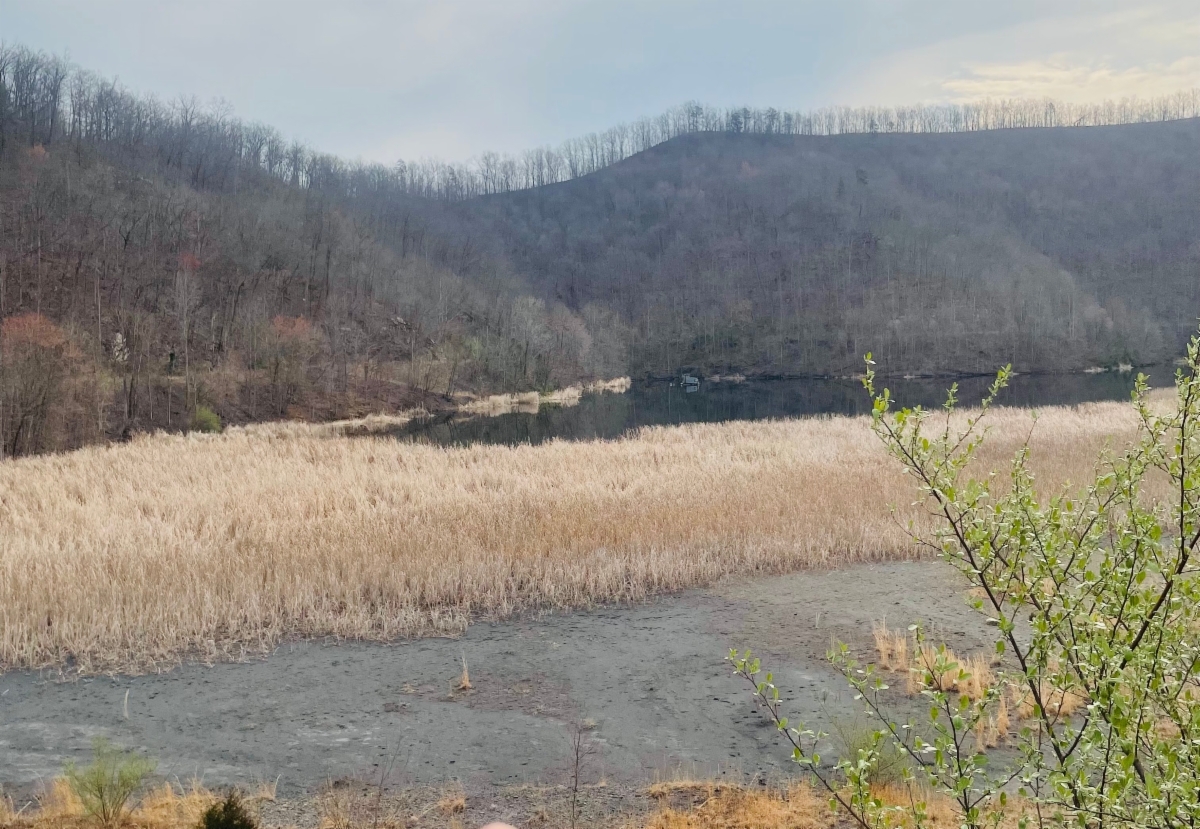
Kentucky State researcher Shreesha Pandeya presented land-cover recovery research;
trip fully funded through competitive scholarship
FRANKFORT, Ky. — Research showing how targeted watershed prioritization supported
stronger land-cover recovery in Eastern Kentucky was featured this month as Kentucky
State University water-quality researcher Shreesha Pandeya presented findings from
the Big Sandy River Basin during a multi-state workshop focused on nutrient reduction
and water quality across the Mississippi River Basin.
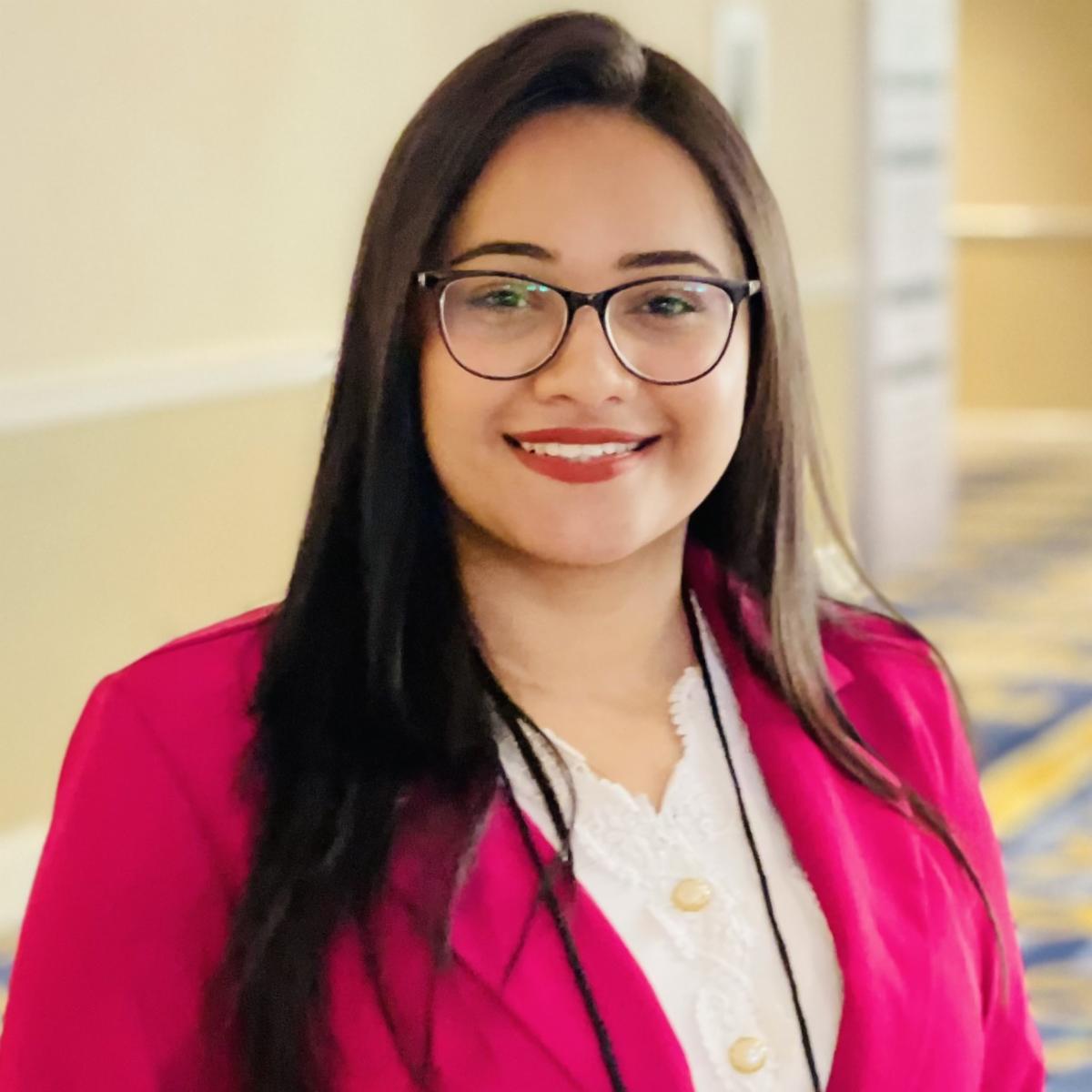 Pandeya, a research associate in the University’s Integrative Human-Environment Dynamics
Lab — the IHED Lab — participated in the Mississippi River Basin Early Career Confluence
Workshop: Advancing the Next Generation of Nutrient Reduction Science. The workshop was organized through SERA-46, a USDA National Institute of Food and
Agriculture multi-state project focused on collaboration around nutrient-reduction
strategies and the role of land-grant universities. It was held Jan. 27–29 in Fayetteville,
Arkansas, and brought together early-career researchers from the 12 Gulf Hypoxia Task
Force states to strengthen interdisciplinary collaboration and advance nutrient-reduction
science that supports improved water quality across the basin.
Pandeya, a research associate in the University’s Integrative Human-Environment Dynamics
Lab — the IHED Lab — participated in the Mississippi River Basin Early Career Confluence
Workshop: Advancing the Next Generation of Nutrient Reduction Science. The workshop was organized through SERA-46, a USDA National Institute of Food and
Agriculture multi-state project focused on collaboration around nutrient-reduction
strategies and the role of land-grant universities. It was held Jan. 27–29 in Fayetteville,
Arkansas, and brought together early-career researchers from the 12 Gulf Hypoxia Task
Force states to strengthen interdisciplinary collaboration and advance nutrient-reduction
science that supports improved water quality across the basin.
In her presentation, Pandeya shared findings from Eastern Kentucky’s watersheds, highlighting
evidence that watershed prioritization supported more favorable land-cover recovery
in the Big Sandy River Basin. Her analysis showed a substantial increase in forest
and shrubland in priority compared to non-priority watershed, which significantly
enhances the water quality by reducing erosion, increasing infiltration, and improving
nutrient retention.
“This opportunity allowed me to connect with researchers and professionals from diverse
disciplines working on water-quality challenges,” Pandeya said. “It strengthened collaborative
networks and provided valuable insight for improving water-quality outcomes, and I
am excited to share that I have been invited to attend a seminar on water quality
at the University of Arkansas.”
Kentucky is one of the 12 participating states in the Mississippi River/Gulf of America
Hypoxia Task Force, a collaborative federal-state partnership co-led by the U.S. Environmental
Protection Agency and state agencies to coordinate nutrient-reduction strategies and
improve water quality throughout the Mississippi River Basin.
Pandeya’s participation in the workshop was fully funded through a competitive scholarship
that covered airfare, lodging, meals, and registration.
She also participated in collaborative sessions focused on research agenda development,
future research planning aligned with Gulf Hypoxia Task Force priority areas, and
professional development related to interdisciplinary science and science communication.
The workshop was facilitated by a multi-institutional leadership team representing
the University of Arkansas, the University of Wisconsin–Madison, and the University
of Kentucky.
“This kind of regional forum was essential for translating research into collective
action, and for ensuring that findings from places like Eastern Kentucky informed
basin-wide nutrient-reduction efforts,” said Dr. Suraj Upadhaya, professor of sustainable
systems at Kentucky State and Pandeya’s supervisor. “I am grateful to the organizers
for investing in early-career scholars and providing the resources that enabled Shreesha
to represent the IHED Lab and the University, share our work, and strengthen the next
generation of water-quality researchers.”