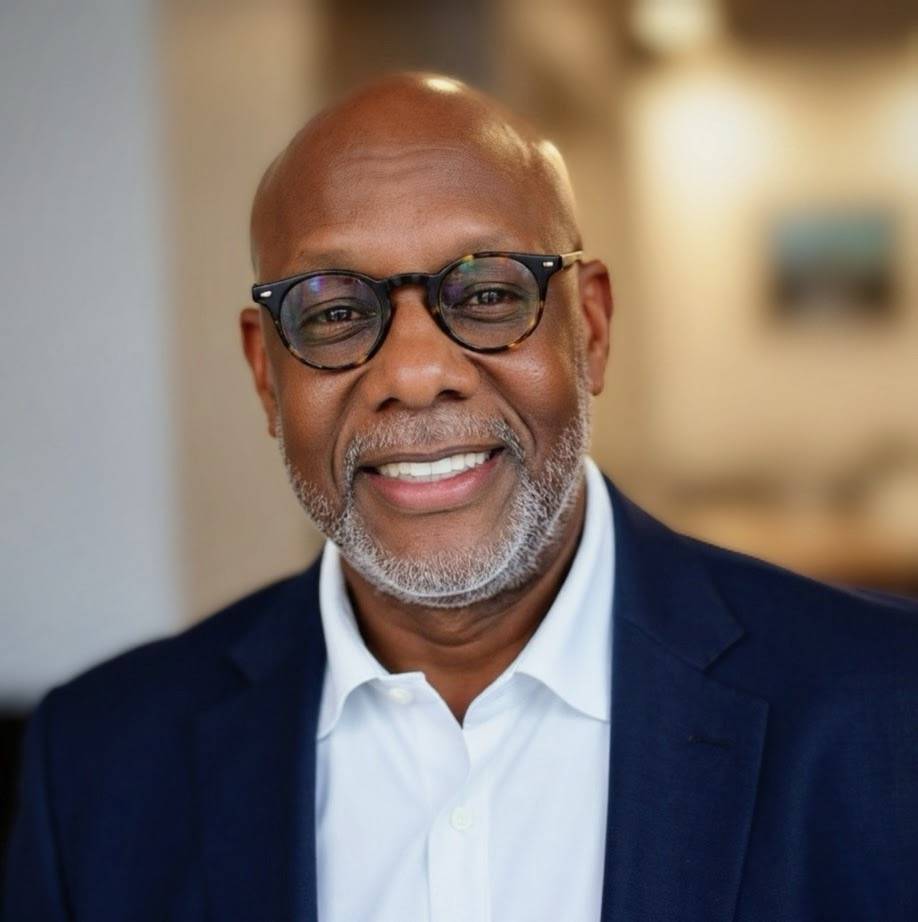
A double alumnus looks toward leadership and mentoring the next generation
FRANKFORT, Ky. — For LaRon Patton, graduate study at Kentucky State University offered a chance to examine the ethical responsibilities behind his daily work in probation and parole, where decisions can change lives.
With a background that also includes law enforcement and corrections, he pursued the master’s degree to deepen his knowledge of the justice system and prepare for leadership roles.
After completing his final class Oct. 9, during the KYSU Online program’s B-term, Patton became the first student to finish coursework in the University’s Master of Arts in Criminal Justice program. Now a double alum, he also earned his undergraduate degree at Kentucky State.
Patton’s research focused on ethical issues in probation and parole, including officer discretion, fairness, rehabilitation, and decisions to revoke probation or parole.
“You have a responsibility to hold people accountable and protect the community, but you also have an opportunity to help people make changes and succeed,” Patton said. “Researching these issues made me think even more deeply about that responsibility. It reinforced something that is easy to forget behind paperwork and large caseloads: behind every case number is a person.”
Reaching that insight required balancing graduate study with the demands of full-time employment. Reading, research, and assignments often awaited him after work, requiring discipline and careful time management.
“There were plenty of nights when I came home tired and still had reading, research, or an assignment waiting for me,” he said.
Patton credited Joy Wargo, an online advisor in Online Learning, for guidance and support and Dr. Frederick A. Williams Jr. for challenging him to strengthen his writing, critical thinking, and research. His family, classmates, and brothers in Kappa Alpha Psi Fraternity Inc. also helped him reach the milestone.
Kentucky State’s master’s program emphasizes ethical leadership, applied research, critical thinking, and management skills for criminal justice professionals.
“LaRon’s achievement is an important first for this program,” Dr. Williams said. “He brought professional experience to his studies and used research to examine decisions that affect people’s lives. That connection between scholarship and service is what we want our graduates to carry into their communities.”
Patton hopes to use his degree to take on greater leadership responsibilities and mentor the next generation of criminal justice professionals. He also hopes his experience encourages others to pursue the program.
“I may be the first to cross the finish line, but I certainly do not want to be the last,” he said. “I hope this program continues to grow and produces criminal justice professionals who make a difference in their communities.”