Kentucky State partnership expands outdoor learning and leaves lasting resources at
the Lexington school
FRANKFORT, Ky. — When rain falls at Redwood Cooperative School, it can now supply
both the garden beds and the chicken coop. Middle school students researched, designed,
and installed the collection system themselves, turning a practical need into a working
lesson.
That system emerged from an urban agriculture partnership involving a nine-member
Kentucky State University team and all 144 students enrolled at Redwood at the time,
from pre-K through eighth grade. Planning began in fall 2025, most instruction took
place in spring 2026, and the work continued through a summer gardening course and
community workdays.
Building on Redwood’s existing environmental program, Kentucky State helped add two
raised beds, restore depleted soil in existing beds, create a seed-starting setup,
expand the school’s laying flock, and improve outdoor classroom spaces. Student ownership tied the project together. Young people made decisions, cared for
animals, and built systems the school continues to use.
Student ownership tied the project together. Young people made decisions, cared for
animals, and built systems the school continues to use.
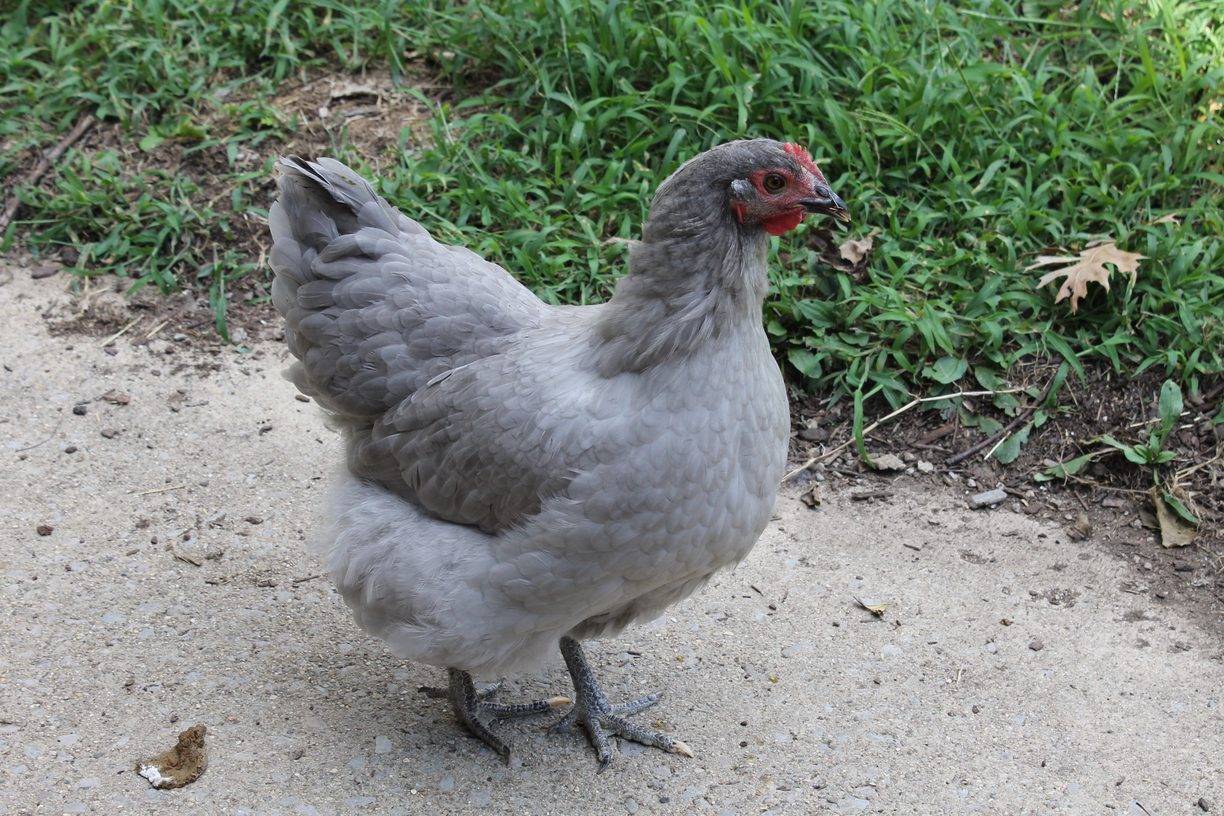
The project’s most sustained classroom component was a 12-student middle school poultry
elective that met three times a week from Jan. 5 through May 22. Dr. Sarah Carr, assistant
professor of animal science, worked with the class once or twice a week alongside
Redwood science instructor Sarah Williams.
The class started with 15 eggs donated by Will Rogers, senior research and Extension
assistant and a local poultry producer. Eight hatched. Southern States in Lexington
supplied eight additional chicks, giving the class 16 birds to raise.
As the chicks matured, students tracked their health and growth, observed their behavior
around people and other birds, and learned how breed characteristics, hardiness, and
egg production affect a small urban flock. They ultimately selected 10 hens to keep.
Students also built a new roost, a swing, and other enrichment features, along with
a protective barrier around the coop.
As part of the elective, students chose to build a rainwater collection system serving
both the coop and gardens. They researched materials, drafted designs, repurposed
available supplies, and installed a gutter-and-barrel system that directs collected
water to the gardens or the chickens’ waterer. Beyond the poultry elective, 30 upper-elementary students worked with Jacob Brown,
a research assistant in the School of Agriculture and Natural Resources, and members
of the University’s soil science team across the school’s 10 raised beds. Students
used Pro-Mix, biochar, poultry litter, and compost to rebuild the soil. About 20 pre-K
students managed two of the beds, bringing some of Redwood’s youngest students into
the garden work.
Beyond the poultry elective, 30 upper-elementary students worked with Jacob Brown,
a research assistant in the School of Agriculture and Natural Resources, and members
of the University’s soil science team across the school’s 10 raised beds. Students
used Pro-Mix, biochar, poultry litter, and compost to rebuild the soil. About 20 pre-K
students managed two of the beds, bringing some of Redwood’s youngest students into
the garden work.
Dr. Katherine Kamminga, assistant professor of integrated pest management, and research
assistant Ainsley Yuknis took insect lessons outdoors. Students collected insects
with nets and examined the roles of pollinators, predators, herbivores, and decomposers.
Wasps generated particular interest because many students initially viewed them only
as dangerous.
Another 34 younger students focused on pollinators and their importance to gardens
and food production.
On March 10 and 11, the project reached every Redwood class through goat sessions
led by graduate research assistant Elizabeth Workman. She brought two 11-month-old
goats from Kentucky State’s Harold R. Benson Research and Demonstration Farm for lessons
on nutrition, behavior, and handling.
Many students wanted to know what goats actually eat after hearing the familiar claim
that they will eat anything. They also learned that goats do not have upper front
teeth and explored how the animals digest their food.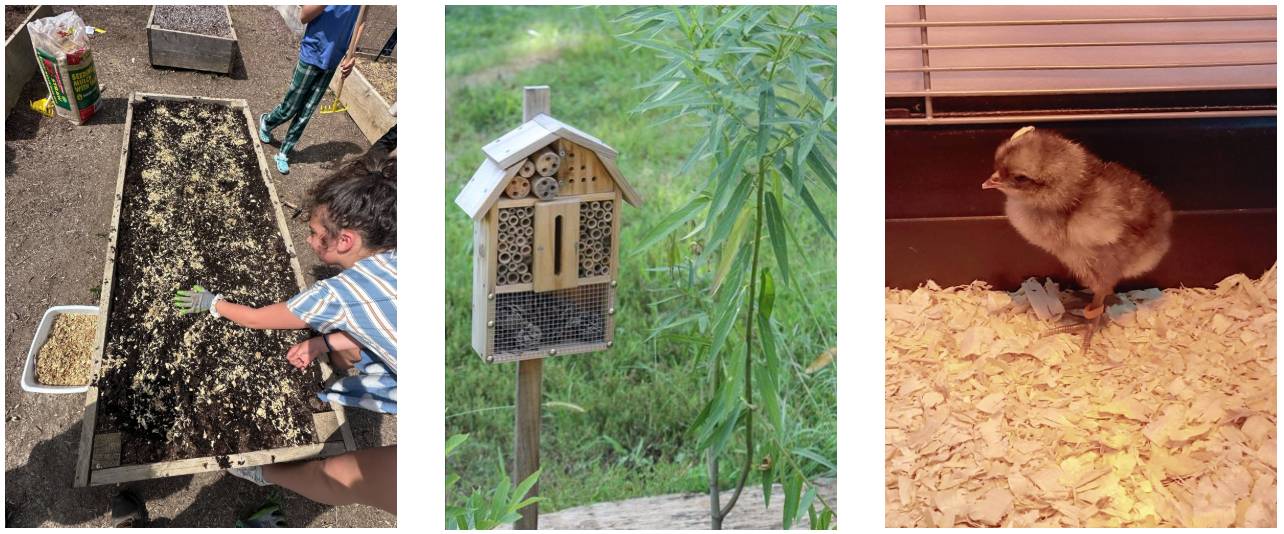
Workman said the visits show how Kentucky State’s land-grant work can connect young
people in cities with agriculture.
“Bringing agriculture into the classroom gives kids an opportunity to learn where
their food comes from, connect with animals, and see the important role agriculture
plays in all of our lives,” she said.
A $7,500 demonstration grant through the Kentucky Agricultural Development Fund supported
the work. Extension associate Joni Nelson and the Agriculture and Natural Resources
Cooperative Extension team secured the grant. Farm manager Megan Goins helped obtain
funding, supplies, and outside support, and Allison Noel assisted with the project’s
finances.
The work did not end with the formal lessons. A Redwood middle school science teacher
now uses the garden beds to teach annuals, perennials, and winter crops. Each week,
a different class checks the chickens’ feed and water and collects the eggs.
Community workdays typically bring together 20 to 30 students and adults to care for
the gardens and coop. Dr. Carr continues to visit monthly and provides assistance
when the flock needs medical care. Kentucky State faculty and staff also plan to return
as guest speakers.
The clearest outcome is that the students’ work is still working. Rain moves from
roof to barrel, crops continue through the seasons, and each week a new class takes
its turn caring for the flock.
News Article
Redwood students build solutions from garden bed to chicken coop
September 14, 2026