Louisville chef’s pick brings fresh attention to a flavor developed with Kentucky
State University researchers
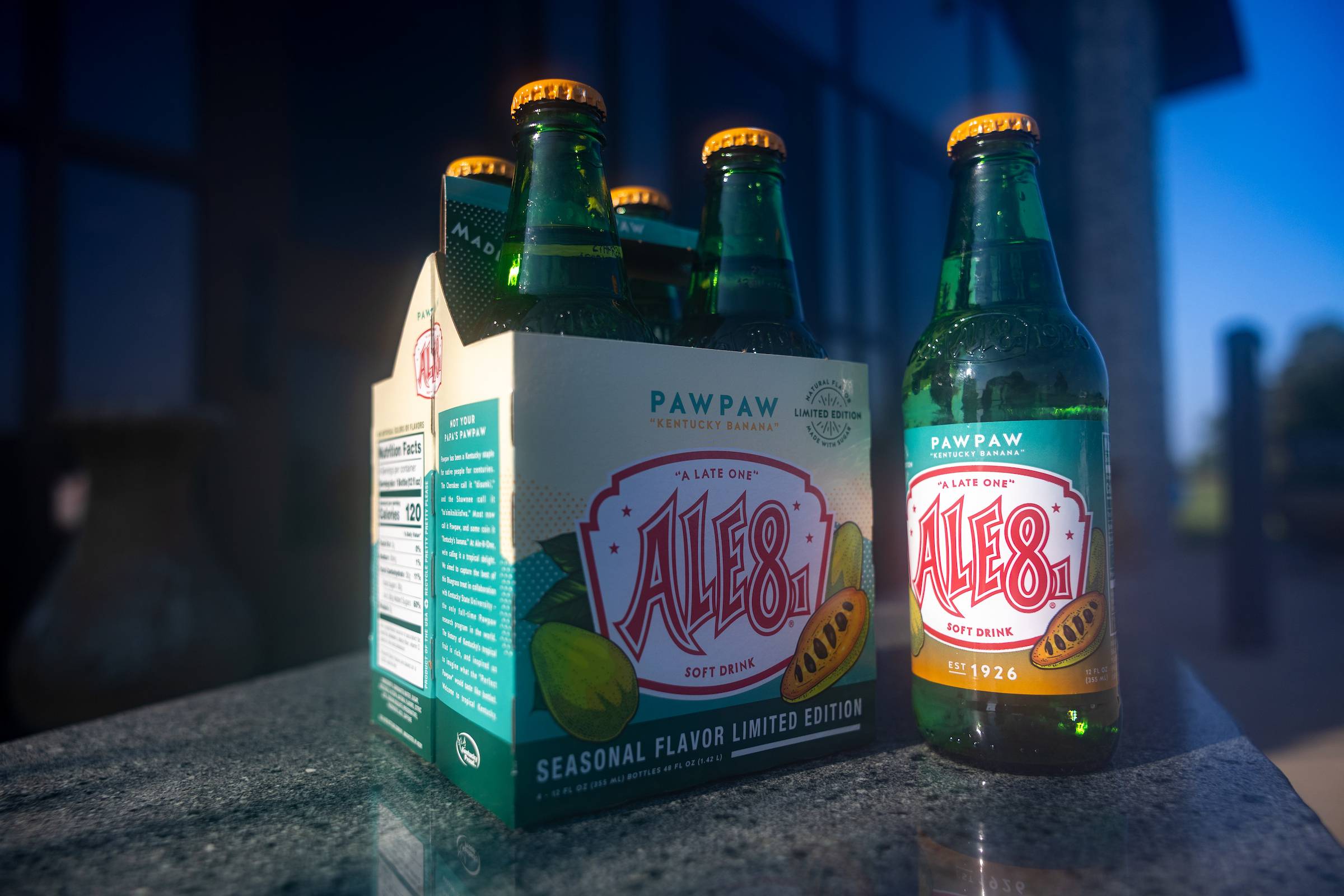
FRANKFORT, Ky. — Pawpaw Ale-8 has won a fan in the pages of Southern Living. Asked to name a favorite regional soft drink, Louisville chef Lawrence Weeks chose
the seasonal flavor developed in collaboration with Kentucky State University researchers.
“My favorite Southern soda is Ale8, specifically the pawpaw flavor,” Weeks, chef and
owner of Murray’s Creole Pub, told the magazine. He described its banana and ginger
notes and recommended serving it as an ice cream float. Read the Southern Living feature.
The selection places Pawpaw Ale-8 alongside such longtime regional favorites as Dr
Pepper and Cheerwine. For Kentucky State, it also puts a familiar taste in front of
readers who may be discovering pawpaw for the first time.
“Pawpaw can surprise people when they first taste it,” said Dr. Kirk W. Pomper, professor
of horticulture and curator of Kentucky State’s clonal germplasm repository for pawpaw.
“When a chef chooses this drink as a favorite, it tells us the flavor can reach people
who might never have encountered the fruit in an orchard or at a farmers market.”
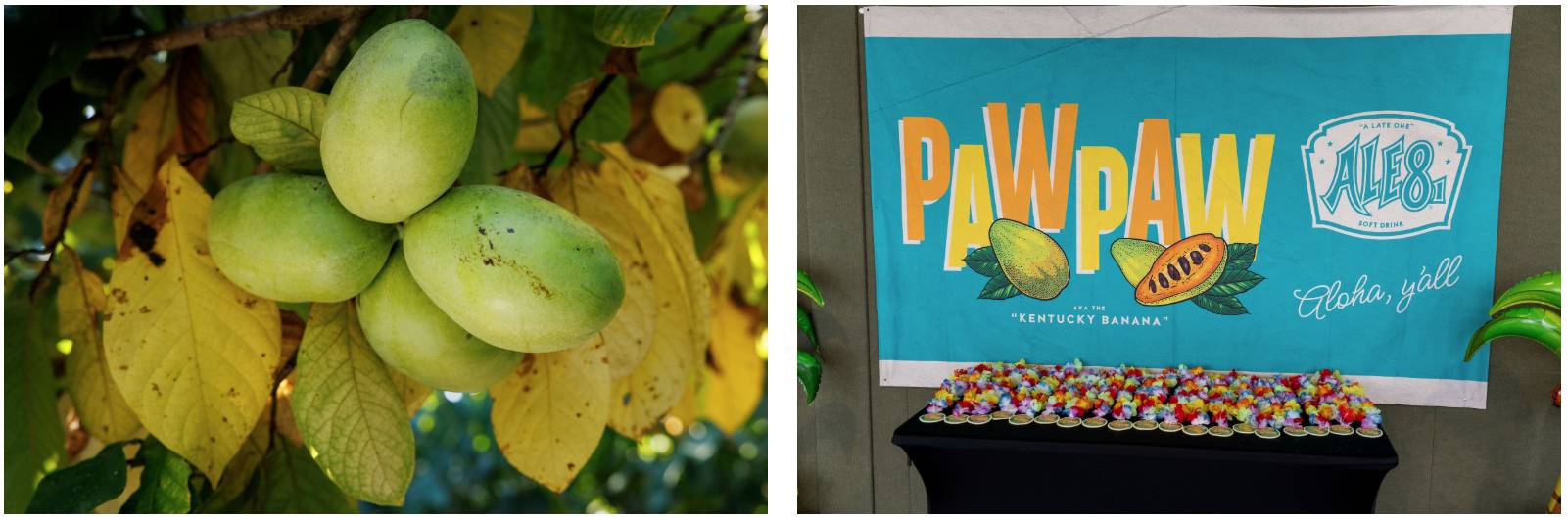
Pawpaw is the largest edible fruit native to the United States. Often called the “Kentucky
banana,” its flavor is commonly compared with a blend of banana, mango, and pineapple.
Pawpaw Ale-8 brings that tropical character to the Winchester company’s signature
ginger and citrus soft drink. After its 2025 debut, the limited-edition beverage returned for a second summer this year.
Kentucky State began formal pawpaw research in 1990 and now operates the world’s only
full-time pawpaw research program. More than 2,000 trees representing material collected
from 17 states grow on 12 acres at the University’s Harold R. Benson Research and
Demonstration Farm. The work ranges from preserving genetic diversity and improving
orchard practices to studying fruit storage and developing varieties suited to commercial
production.
That work continues to grow. Five recently published studies include research on flowering, disease management, postharvest storage, and seedling
establishment. Kentucky State has also brought its pawpaw expertise to growers and festival audiences across the region.
“An 1890 land-grant university should put its research to work for the people and
businesses it serves,” said Dr. Marcus K. Bernard, dean of the College of Agriculture,
Health, and Natural Resources and director of Land Grant Programs. “Seeing a Kentucky
chef champion Pawpaw Ale-8 in Southern Living shows how a partnership rooted in research can introduce more people to this native
fruit.”
Learn more about Kentucky State’s Pawpaw Research Program, including growing information, publications, and recipes.