Completed $1.25 million initiative engaged more than 100 undergraduates in research and supported curriculum and laboratory improvements
FRANKFORT, Ky. – A six-year National Science Foundation project helped Kentucky State University expand opportunities for students to conduct research, contribute to scientific publications, and prepare for graduate study and STEM careers.
Launched in 2020, Preparing the Pipeline of Next Generation STEM Professionals brought together faculty across disciplines to strengthen the University’s capacity to recruit, retain, and graduate students in science, technology, engineering, and mathematics. Funding came through NSF’s Historically Black Colleges and Universities Undergraduate Program.
The project’s final outcomes report documents both student accomplishments and investments in academic programs, teaching, and laboratory resources. During the grant period, more than 100 undergraduates served as research assistants, supported by an average of 15 STEM research mentors each semester.
 “The grant gave students sustained opportunities to work alongside faculty and contribute
to research,” said Dr. Buddhi Gyawali, professor of geospatial applications and the
project’s principal investigator. “They gained experience asking scientific questions,
sharing their findings, and considering where that work could take them after graduation.”
Dr. Jyotica Batra and Dr. Chi Shen served as co-principal investigators, helping connect the initiative with teaching and program development across the University.
According to the outcomes report, STEM enrollment increased approximately 10.5% between fall 2021 and fall 2025. The report also documented an increase in the six-year graduation rate for STEM majors from 28% to 47%, a gain of 19 percentage points.
Research experiences spanned agriculture, biology, computer and information sciences, environmental science, and food science. Students also worked on projects involving soil pollution, land management, and urban agriculture, applying classroom knowledge to practical questions affecting communities.
Students and faculty produced more than 20 peer-reviewed publications and delivered more than 50 presentations at regional and national professional conferences. One undergraduate co-authored a journal article with her faculty mentor, gaining experience contributing to published scientific research before completing her degree.
External connections helped participants take further steps toward careers and advanced study. Students secured internships and summer employment with organizations including Cargill, the University of Kentucky, and the Greening Youth Foundation at Zion National Park. One undergraduate research assistant earned a full scholarship for graduate study at the University of Kentucky.
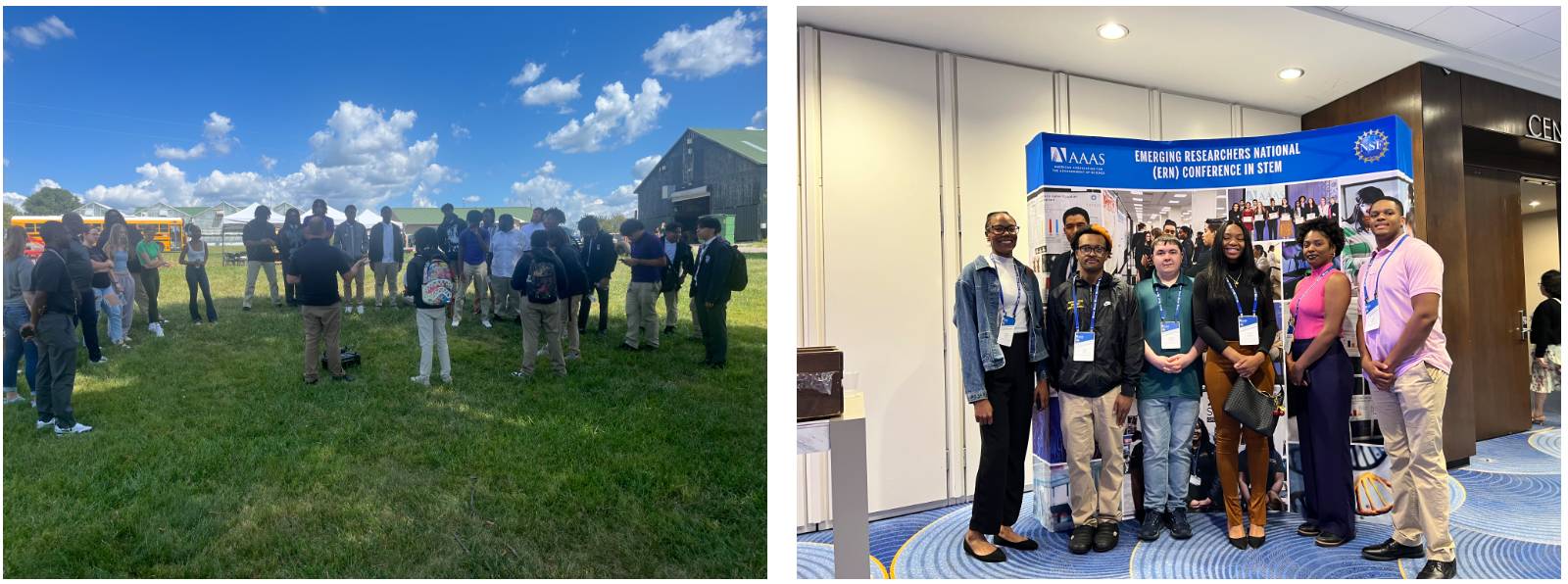
Outreach introduced younger students to those possibilities. Approximately 100 middle and high school students participated in residential and online summer programs that combined STEM learning with field experiences and research activities. The programs extended Kentucky State’s presence into additional regions of the Commonwealth and helped participants explore academic and career options.
The grant also supported work to strengthen instruction. Its outcomes report highlighted new programs in Manufacturing Engineering Technology, Biological and Agricultural Engineering, and Cybersecurity, along with revisions to introductory computer science and engineering economics courses. New coursework addressed agriculture and energy, agricultural systems analysis, experimental methods, and water quality engineering.
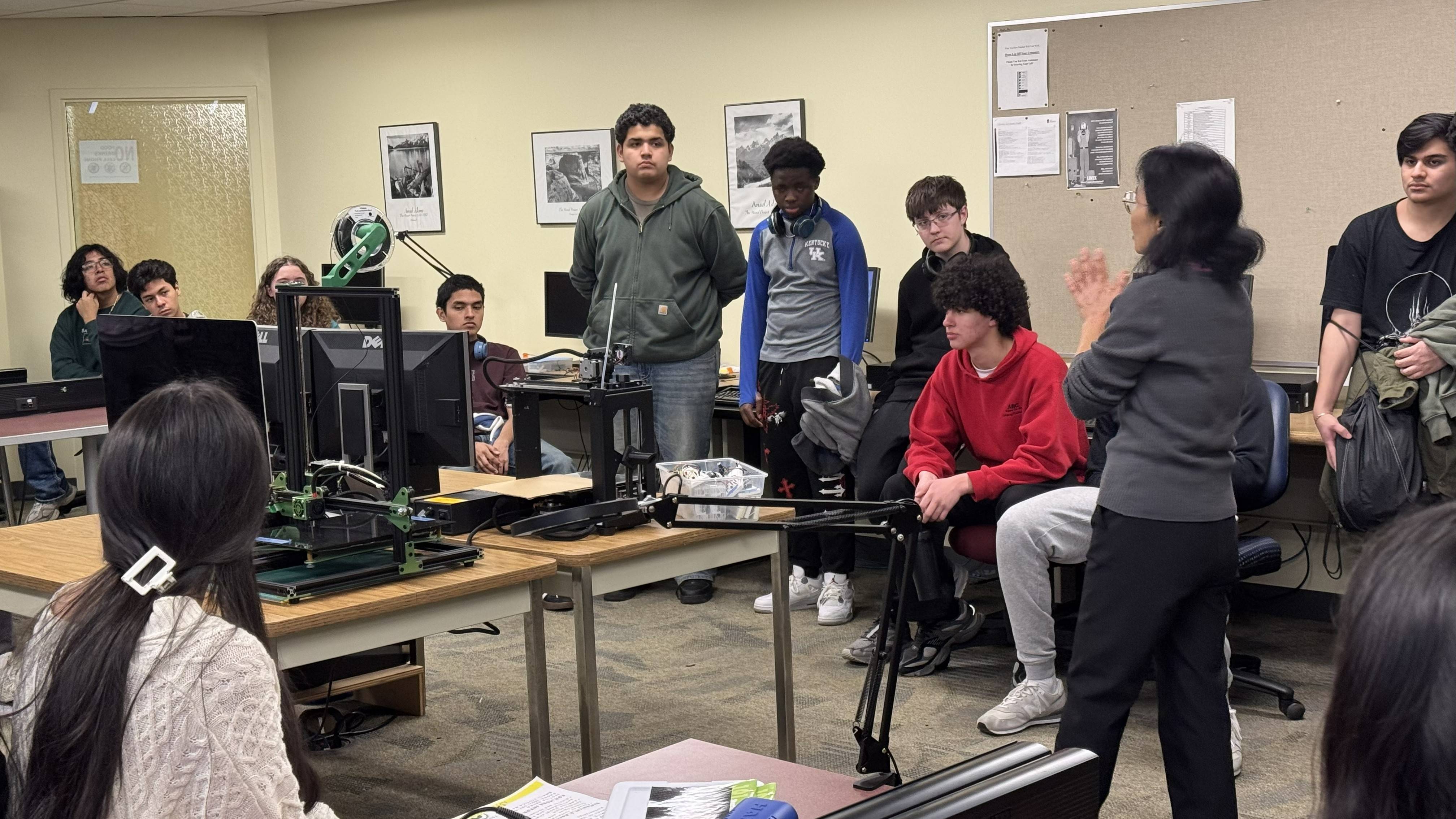
Investments in laboratory resources included 3D printers, computers, drones, laser-based mapping technology, and specialized imaging cameras. Additional software and data resources strengthened instruction in geographic information systems, which allow researchers to analyze information tied to locations.
Those results followed an opening year disrupted by COVID-19. Students and faculty initially used virtual platforms to establish mentoring relationships and continue research, then returned to in-person collaboration as campus operations resumed.
With the grant period complete, its curriculum and laboratory investments provide resources for continued teaching and research, connecting undergraduate education with Kentucky State’s 1890 land-grant mission.
“This project helped students see how their education connects to questions involving food production, water quality, and environmental protection,” said Dr. Marcus Bernard, dean of the College of Agriculture, Health, and Natural Resources and director of land-grant programs. “The mentoring experience and academic resources developed through the grant give us a foundation to continue that work with future students.”
