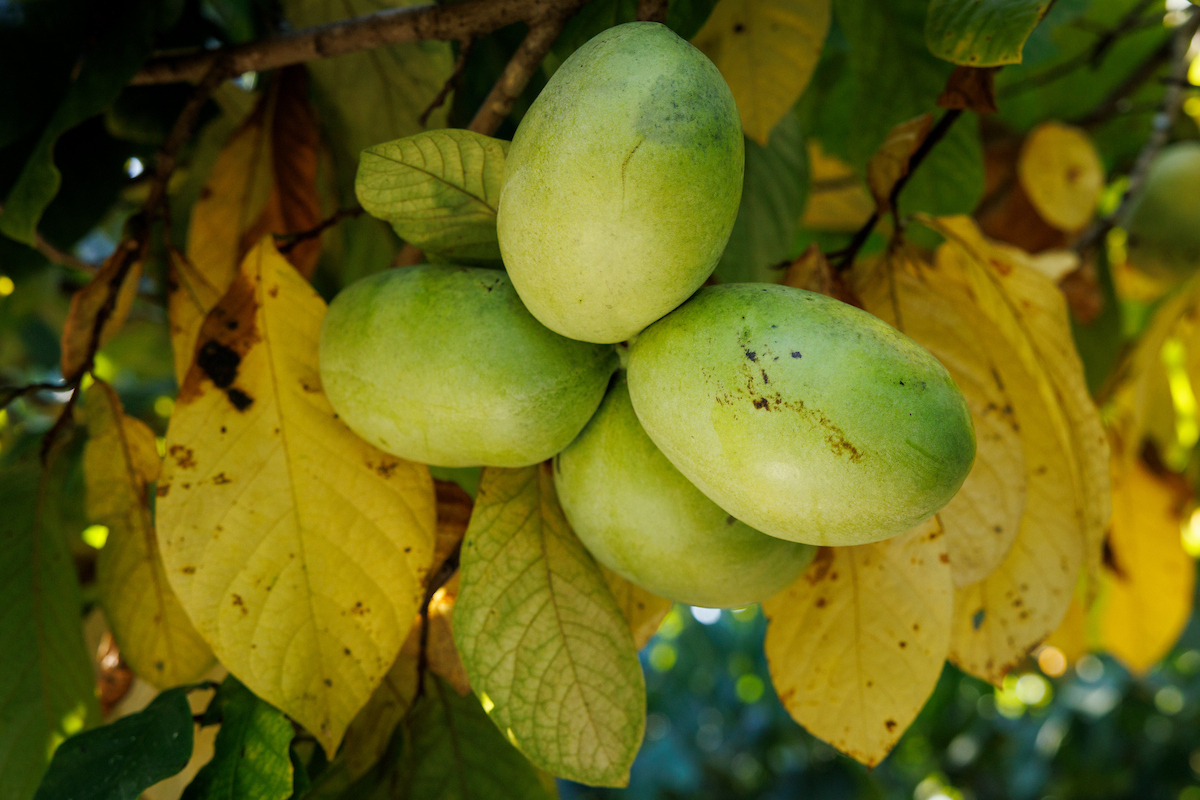
Recent coverage underscores growing consumer interest, amplified by the hit Pawpaw
Ale-8 collaboration with Ale-8-One
FRANKFORT, Ky. — Pawpaw — Kentucky’s official fruit tree and the largest edible fruit
native to the United States — is drawing renewed attention in food and beverage conversations
nationally and across the region, momentum that Kentucky State University has helped
build through decades of applied research, grower support, and product-focused partnerships.
A January 6, 2026, feature story in "Blue Ridge Country" spotlighted Pawpaw Ale-8,
reporting that the limited-edition release became an “immediate hit” and that online
sales were temporarily halted due to demand. The story also points directly to Kentucky
State’s role, noting the University is home to the only full-time pawpaw research
program in the world and highlighting the collaboration that helped translate pawpaw’s
distinctive flavor into a widely available Kentucky-made product.
In a separate national indicator of pawpaw’s rising profile, The New York Times food-trends
feature “How We’ll Eat in 2026: More Caution, More Crunch,” published Dec. 29, 2025,
referenced pawpaw as “starring in soda and margaritas,” placing it among a short list
of “backyard” ingredients gaining broader attention.
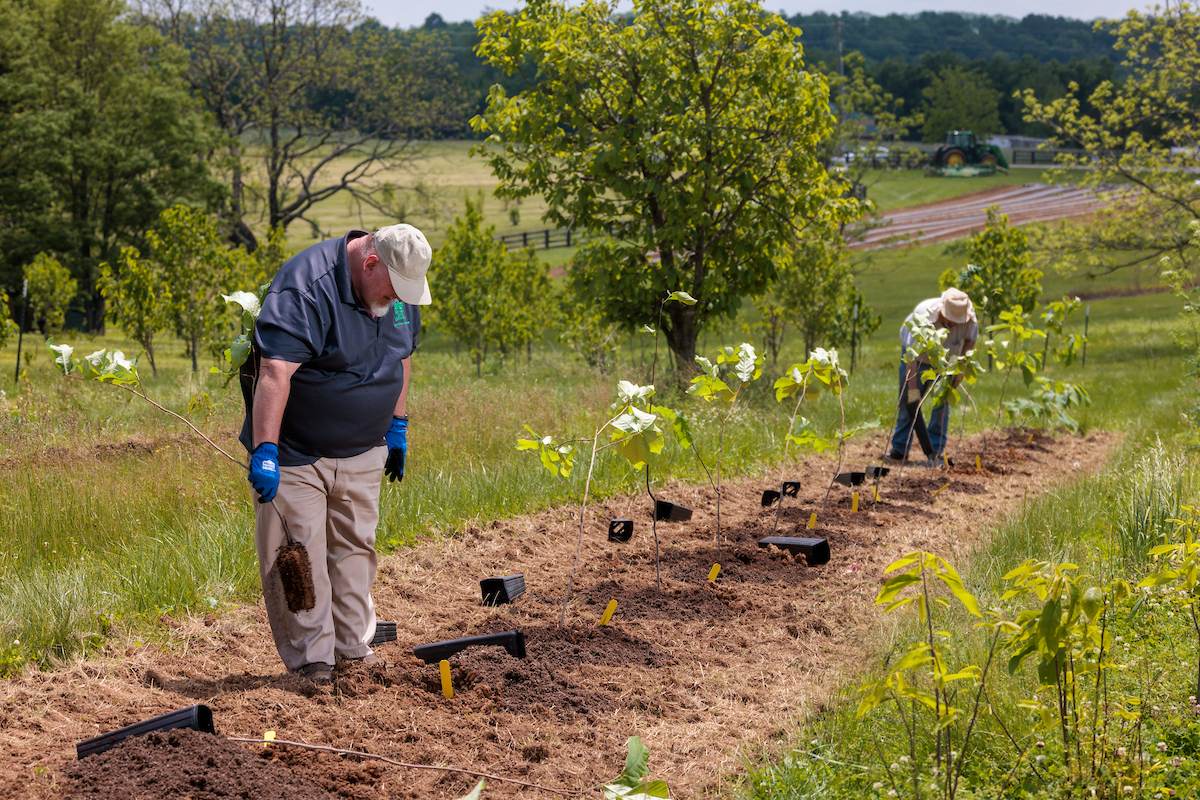 That research-to-market pipeline is now widely visible through the University’s partnership
with Ale-8-One Bottling Company. Kentucky State and Ale-8-One announced the collaboration
in July 2025 and celebrated the product launch in August 2025 at the University’s
Harold R. Benson Research and Demonstration Farm, positioning Pawpaw Ale-8 as a uniquely
Kentucky flavor grounded in Kentucky State’s pawpaw expertise.
That research-to-market pipeline is now widely visible through the University’s partnership
with Ale-8-One Bottling Company. Kentucky State and Ale-8-One announced the collaboration
in July 2025 and celebrated the product launch in August 2025 at the University’s
Harold R. Benson Research and Demonstration Farm, positioning Pawpaw Ale-8 as a uniquely
Kentucky flavor grounded in Kentucky State’s pawpaw expertise.
In the Blue Ridge Country feature, Dr. Kirk Pomper described Pawpaw Ale-8 as “a great partnership” and said Ale-8-One “captured the flavor perfectly in this seasonal drink.”
Kentucky State’s Pawpaw Program, part of the University’s Land Grant mission, is focused
on practical outcomes for growers and industry—improving propagation methods, orchard
management recommendations, variety trials, and post-harvest handling, including work
to extend shelf life. Kentucky State also serves as the USDA National Clonal Germplasm
Repository for Asimina species as a satellite site, preserving genetic diversity critical
to long-term research and commercialization.
Read the full Blue Ridge Country story at:
https://blueridgecountry.com/departments/flavors/ale-8-one-welcome-to-%E2%80%98tropical%E2%80%99-kentucky/
Read the full New York Times story at:
https://www.nytimes.com/2025/12/29/dining/food-trends-2026-predictions.html?unlocked_article_code=1.ClA.Emf0.WdKurFdcoJXc&smid=url-share